Our writers share what got them excited about neuroscience in 2025.
2025 Neuroscience Year in Review
Breaking down the brain for everyone to understand
Our writers share what got them excited about neuroscience in 2025.
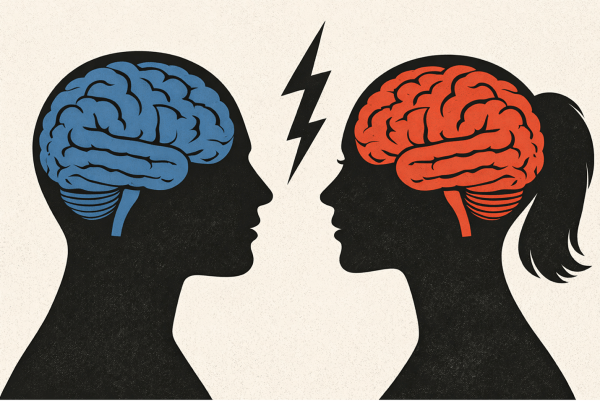
Popular culture loves the idea that men and women think differently, but the science is far less dramatic. Here’s what the research shows about cognitive ability and brain differences between the sexes.

The idea that women are naturally predisposed to mental and emotional disturbances during “that time of month” dates back centuries. Is it biology or baloney? PMS or BS?
T cells are a type of immune cell that defend your body against disease. While these mighty cells normally serve to protect you from foreign invaders, what happens if they turn on you?

Ever wonder what delivering drugs to the brain and Greek mythology have in common? If so, come check out this article on Trojan Horses in science!

How do we decide what we like and what we don’t? Discover how the brain forms these judgments and how they can flip after just one bad experience.
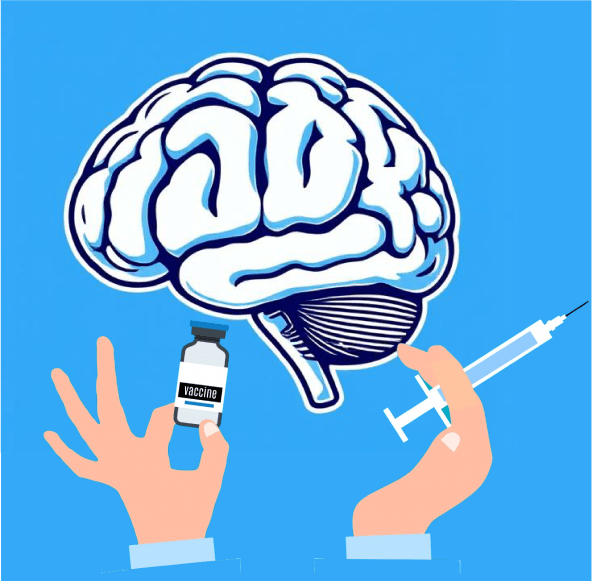
The conversation around autism and vaccines has become an increasingly hot topic of late (to put it mildly), but did you know that this debate began over 25 years ago? Here is a brief overview of the history and the science around whether vaccines increase the risk of autism.
How can we use neuroscience to encourage environmentally-friendly decisions?
Neuroscientists can now record from many parts of the mouse brain at once, helping us see how millions of neurons work together to guide behavior.

Your brain is more than a thinking machine. Even when you rest, your brain is constantly monitoring, adjusting, and fine-tuning every heartbeat, breath, and chemical signal – keeping your body balanced. The key? A network of regulators hidden in your brain working every second of your life.
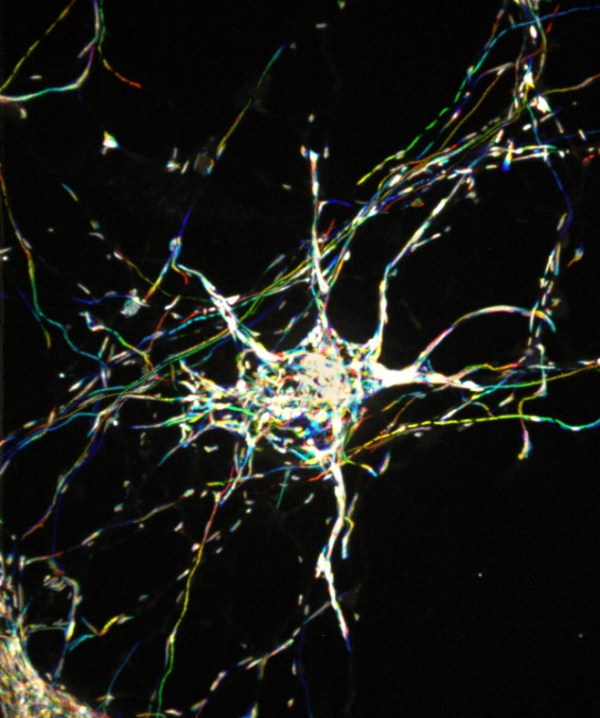
Neurons require a lot of energy to keep your brain functioning, and this energy is overwhelmingly generated by certain cellular components: the mitochondria. Here, we discuss how mitochondria actually perform their most famous job of producing your cells’ energy, as well as the other roles they play in neuronal health.

Discover why conspiracy theories grab our attention, and how the brain’s reward systems and social instincts make them so hard to resist.

A recent study suggests artificial sweeteners are associated with a faster cognitive decline. How might that be happening?
That urge to pee? It’s not so simple. Behind it is a complex brain-bladder conversation that decides when to hold and when to go.
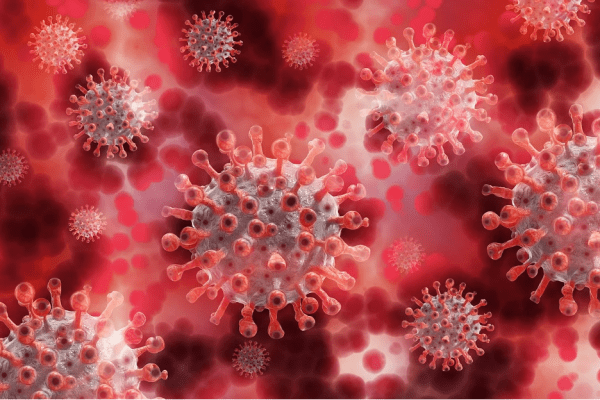
Viruses are experts at getting new DNA into cells. Every day, neuroscientists take advantage of this ability to help us understand the brain.
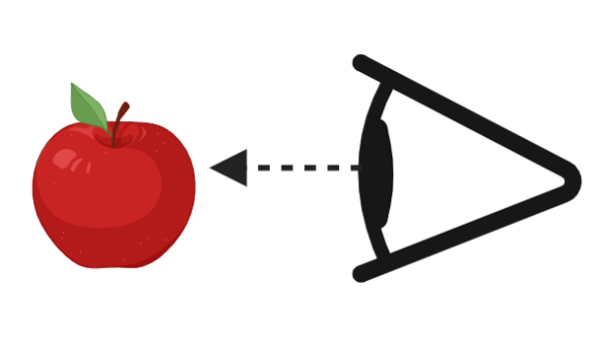
Did you know that our eyes spontaneously move about 3 – 5 times per second? These eye movements, while seemingly simple and mostly unconscious, can tell us a lot about how our brains work. In this PNK post, we’ll dig into the fascinating world of eye movements!
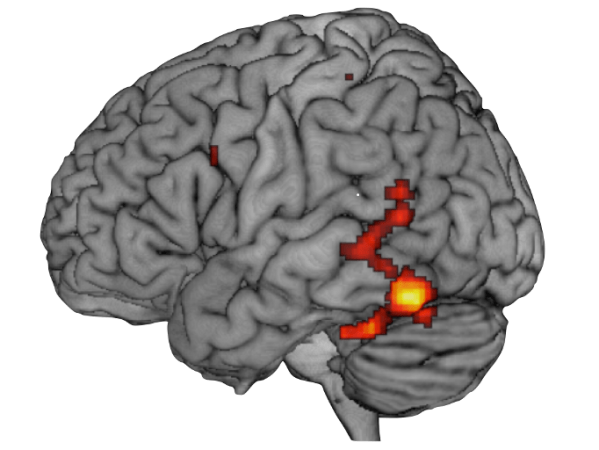
Even though it is a myth that people are either “left-brained” or “right-brained,” certain complex functions, such as spoken language, are primarily found on one side of the human brain. How and why does the brain pick a side for these functions?

Have you ever wondered why some people need total silence and darkness to fall asleep, while others prefer to listen to white noise or watch their favorite TV show? Is there a “best” way to fall asleep?

Electrical stimulation is proving to be a powerful treatment for neurological diseases – especially when it comes to the vagus nerve
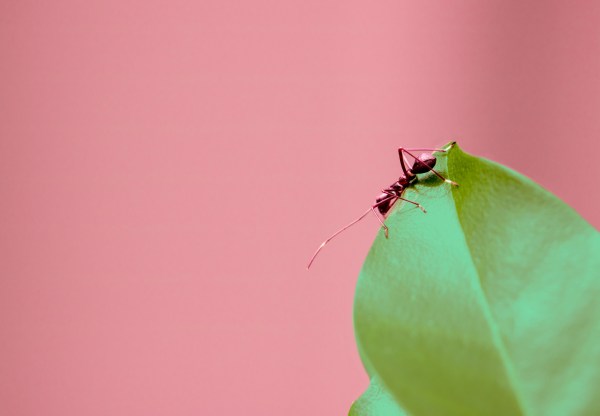
What do worms, mice, and leafcutter ants have in common? They're helping scientists uncover the power of neuropeptides — chemical messengers in the brain that shape behavior and may hold the key to future drug discovery.

Whether it’s on paper, screen or audio, there are more ways than ever to enjoy a good book. But do different formats engage the brain in the same way?
From doing the dishes to playing an instrument, a special connection between your brain and the muscles is key to keep us moving the way we want.
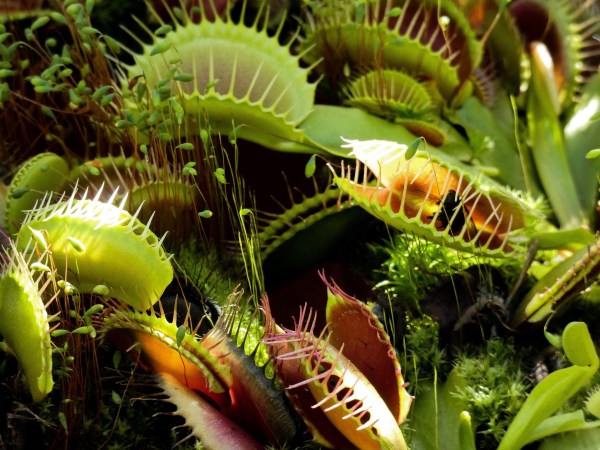
It may sound like a ridiculous question— but it’s worth asking. From Venus flytraps snapping shut to stressed plants releasing ultrasonic "screams," plants react to touch and damage in surprising similar ways to us.

We may think our memory is set in stone, but it’s more like wet clay. From false childhood memories to wrongful convictions, explore the science behind how our memories can deceive us — and how they could still be trusted if handled with care.

Connections with a pet support mental health. How do emotional support animals help manage symptoms of mental illnesses and how does the brain react to this connection?

Humans are the only species that display tearful, emotional crying. Why have we evolved this behavior? Does it benefit us? And if so, why don’t we cry more?

The US has been a global leader in funding biomedical research. Learn about how that process works and why it’s so important that we maintain our commitment to funding science.

You may have heard about patriarchy, but how about matriarchy? Bees, elephants, and bonobos show us how females are often the ones running the show in the wild.

How does climate change impact the brain? Spoiler alert: it’s not good
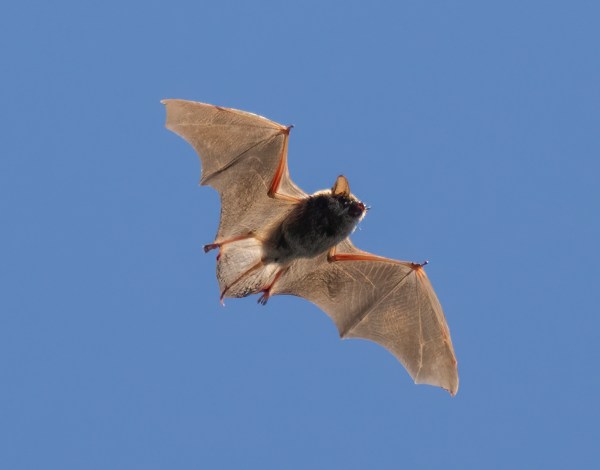
Studying bats helps us understand how the brain processes and sorts sounds into categories.
 PennNeuroKnow